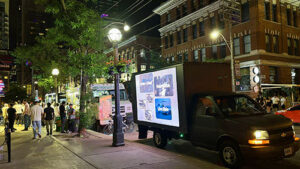
With Digital Mobile Billboard Advertising, how and where you’re seen is what makes your message strong. Route planning is perhaps the most critical component to an effective campaign. We don’t just drive around—we drive strategy here at Grow More. Our mobile LED truck routes are designed for maximum visibility, audience engagement, and ROI.
Here’s how to choose the best routes for your digital mobile billboard campaign.
1. Know Your Target Audience

Before choosing a route, ask yourself:
- Who are you trying to reach?
- Where do they hang out?
- What times are they most active?
If your product is for families, residential neighborhoods, parks, and shopping malls on weekends might be the way to go. For corporate services, downtown areas and business areas during weekday mornings and evenings are the best.
Tip: Test assumptions with census data, Google Mobility Reports, and location heatmaps.
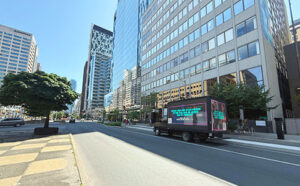
2. Focus on High-Traffic Locations

A mobile billboard performs best where traffic is heavy on foot and by vehicle:
- Busy intersections
- Shopping centers and outlet malls
- Festival and event locations
- Public transportation stops
- Tourist destinations
Grow More trucks are equipped for parking or slow drive-throughs in these hotspots to maximize dwell time.
3. Use Geofencing and GPS Technology
Technology is your ally. Our LED trucks utilize live GPS tracking to follow strategic routes and avoid delays. We also use geofencing to send mobile ads to adjacent smartphones, supporting your campaign beyond the physical impression.
Case Study Insight: Customers who utilized GPS + geofencing saw a 32% increase in engagement rates compared to static billboard-only programs.
4. Time of Day Matters
Choose different routes for:
- Morning rush hours (7 AM – 10 AM)
- Lunch breaks in business districts (11 AM – 2 PM)
- Commuter and shopping hours late afternoons (4 PM – 7 PM)
- Weekend family time (12 PM – 6 PM)
Aiming your journey at the lifestyle routines of your target audience improves ad recall and relevance.
5. Strike a Balance Between Movement and Static Exposure
While mobile exposure is robust, parking strategically at hot spots for 30–60 minutes allows people to absorb your message whole—best for video ads, product demos, or QR codes.
At Grow More, we recommend a blended tactic:
60% driving through target locations
40% parked at hot spots with high exposure
6. Measure, Test & Optimize
After the first few days:
- Check your GPS route reports
- Track impressions and dwell time
- Use mobile ad tracking (if geofencing-enabled)
- Seek client or public sentiment
Our campaigns come with data insights, so you can optimize routes on a weekly basis for maximum effects.
Conclusion: Route Strategy Drives Campaign Success
The right route can make or break your campaign’s effectiveness. It’s not merely a matter of driving around, but actually appearing where and when it will count the most. With Grow More, you receive more than a mere truck-you receive strategic planning, real-time monitoring, and layered targeting.
Contact us today to plan your next campaign across Canada.
Frequently Asked Questions
How do you choose the best routes for a digital mobile billboard campaign?
The best routes are chosen based on traffic density, audience demographics, event locations, business districts, and commuter patterns. High-visibility areas generate the most impressions.
Why are high-traffic zones important for mobile billboard routes?
High-traffic zones increase dwell time, allowing drivers and pedestrians more time to notice and remember your mobile billboard message.
Should mobile billboard routes include highways or city streets?
City streets are often more effective due to slower traffic and pedestrian exposure, while highways can be useful for mass brand awareness near exits and commuter corridors.
How does GPS tracking help optimize mobile billboard routes?
GPS tracking allows advertisers to monitor routes, measure impressions, analyze high-performing areas, and adjust routes in real time for better exposure.
What is geofencing in mobile billboard advertising?
Geofencing uses location-based technology to target specific areas, allowing advertisers to retarget audiences digitally after they’ve been exposed to a mobile billboard.
Can mobile billboard routes be changed during a campaign?
Yes. Routes can be adjusted during the campaign based on performance data, events, traffic conditions, or changing marketing priorities.
Are mobile billboard routes different in Canadian cities?
Yes. Each Canadian city has unique traffic patterns, event zones, and regulations, so routes should be customized for cities like Toronto, Vancouver, Calgary, or Montreal.
