
Every day, millions of Canadians travel along highways to commute to work, visit shopping centres, attend sporting events, travel between cities, and explore new destinations. Those roads aren’t just transportation corridors—they’re some of the most valuable advertising spaces in the country.
Highway billboard advertising has remained one of Canada’s most effective forms of outdoor advertising for decades. Whether it’s a large static billboard overlooking Highway 401 in Ontario or a digital display along Deerfoot Trail in Calgary, roadside advertising continues to deliver massive visibility for businesses of every size.
Today’s advertisers have more options than ever before. Traditional highway billboards still provide long-term brand awareness, while digital billboards offer rotating creative and scheduled messaging. At the same time, mobile LED billboard trucks have introduced a more flexible approach by bringing advertising directly to busy highways, downtown cores, major events, and neighbourhoods where target audiences are already spending time.
Understanding how these advertising formats work—and when to use each one—can help businesses build stronger campaigns while maximizing their marketing investment.
In this guide, we’ll explain how highway billboard advertising works in Canada, compare traditional and digital billboards, discuss typical pricing, explore the benefits and limitations of each format, and show how many businesses are combining fixed billboards with mobile LED billboard advertising to achieve even greater reach.
What Is Highway Billboard Advertising?
Highway billboard advertising refers to large-format outdoor advertisements placed alongside major highways, expressways, and high-traffic transportation corridors. Their primary purpose is to build brand awareness by reaching thousands of drivers and passengers every day.
Unlike online advertising, which depends on users scrolling through websites or social media, highway billboards create unavoidable visibility during daily travel. A well-positioned billboard can be seen repeatedly by commuters travelling the same route, helping increase brand familiarity over time.
In Canada, highway billboards are commonly found along major transportation routes such as:
- Highway 401 (Ontario)
- Queen Elizabeth Way (QEW)
- Gardiner Expressway
- Don Valley Parkway
- Highway 417 (Ottawa)
- Highway 1 (British Columbia)
- Deerfoot Trail (Calgary)
- Anthony Henday Drive (Edmonton)
- Trans-Canada Highway
Depending on the location, billboards may be static, digital, illuminated, or part of larger outdoor advertising networks.
Why Highway Billboard Advertising Still Works
Although digital marketing has transformed the advertising landscape, outdoor advertising continues to play a unique role in building brand awareness.
Unlike online ads that can be skipped, blocked, or ignored, highway billboards remain highly visible throughout the day and night. Drivers often travel the same routes repeatedly, creating multiple opportunities to reinforce a message over weeks or months.
Highway billboards are particularly effective because they:
- Deliver continuous exposure
- Reach broad audiences
- Build local brand awareness
- Support product launches
- Increase event visibility
- Reinforce digital marketing campaigns
- Complement television, radio, and social media advertising
For brands looking to establish a strong presence within a city or region, highway billboards remain a dependable advertising medium.
Types of Highway Billboard Advertising
Traditional Static Billboards
Static billboards display one printed advertisement continuously for the duration of the campaign. They are often booked for several weeks or months and are commonly used for long-term branding initiatives.
Best for:
- Real estate
- Retail chains
- Government campaigns
- Tourism
- Brand awareness
Digital Highway Billboards
Digital billboards display rotating advertisements using LED technology. Multiple advertisers share the same screen, with each creative appearing for a few seconds before rotating to the next advertiser.
Advantages include:
- Multiple creative versions
- Daypart scheduling
- Weather-based messaging
- Instant creative updates
- No printing costs
Mobile LED Billboard Trucks
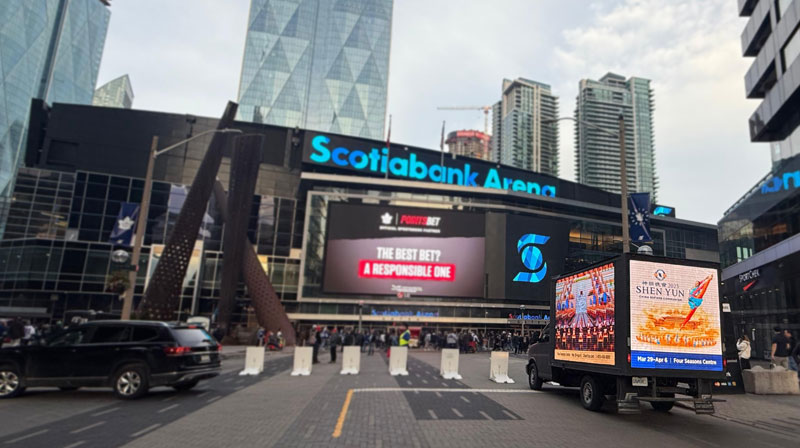
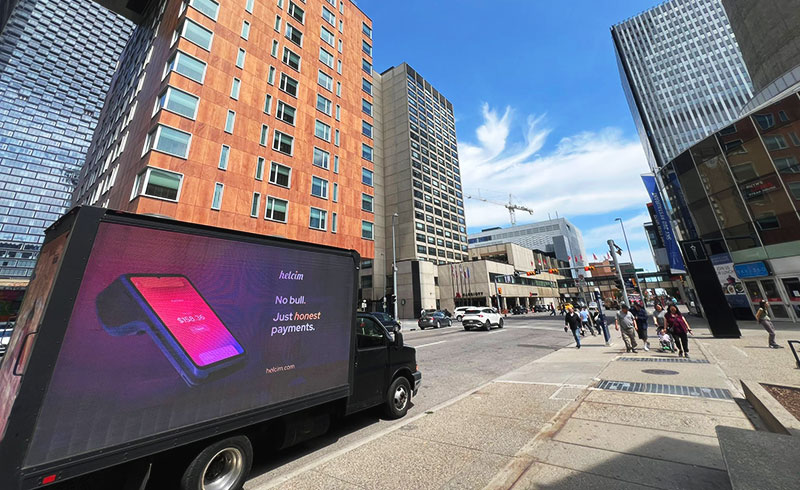
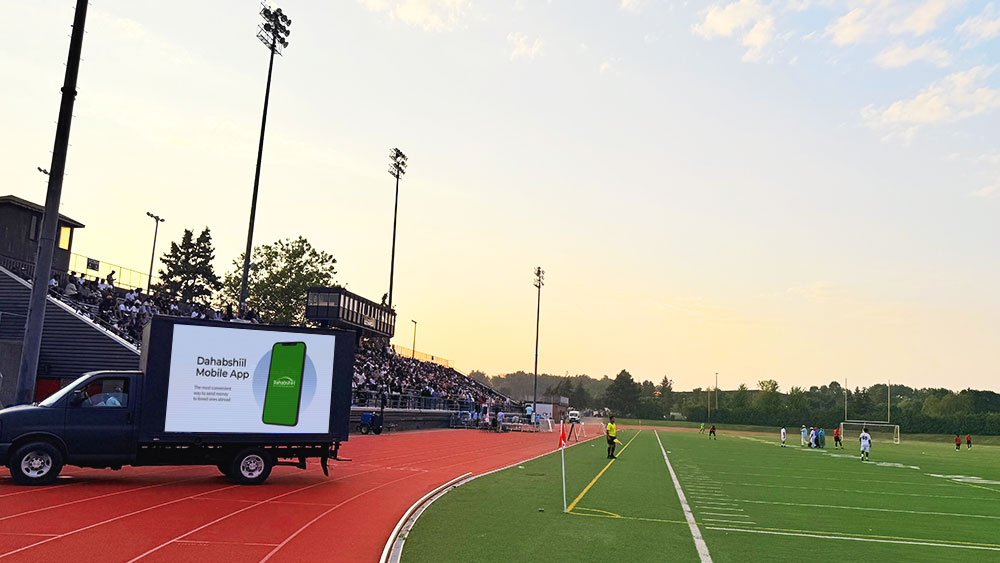
Rather than remaining in one location, mobile billboard trucks travel along highways, city streets, event venues, shopping districts, entertainment areas, and business centres.
This allows businesses to place advertising where their audience actually is rather than waiting for audiences to pass a fixed billboard.
Mobile campaigns are commonly used for:
- Product launches
- Grand openings
- Sporting events
- Concerts
- Festivals
- Political campaigns
- Movie promotions
- Brand activations
Benefits of Highway Billboard Advertising
Highway billboards continue to offer several advantages for advertisers seeking broad market exposure.
 1. Massive Daily Impressions
Major highways carry thousands—and often hundreds of thousands—of vehicles every day, creating consistent opportunities for repeated brand exposure.
2. Builds Brand Recognition
Repeated exposure helps increase familiarity, making consumers more likely to remember a business when they’re ready to purchase.
3. Reaches Diverse Audiences
Unlike digital platforms that rely on user profiles or algorithms, highway billboards reach commuters, tourists, families, professionals, students, and visitors across a wide demographic range.
4. Supports Other Marketing Channels
Many successful campaigns combine outdoor advertising with social media, search advertising, television, and mobile marketing to improve overall campaign performance.
Static vs. Digital LED Highway Billboards
| Feature | Highway Billboard | Digital LED Mobile Billboards |
| Location | Fixed | Moves throughout city |
| Video Support | Digital locations only | Yes |
| Creative Changes | Limited | Instant |
| Route Flexibility | No | Yes |
| Event Targeting | Limited | Excellent |
| GPS Reporting | Usually unavailable | Available |
| Audience Reach | Same commuters | Multiple neighbourhoods and events |
| Campaign Flexibility | Lower | High |
Pro Tip: Many businesses now use both formats together. A highway billboard creates long-term awareness, while a mobile LED billboard truck reinforces the message around key events, retail locations, and high-foot-traffic areas.
Learn more: Mobile Billboard Advertising in Canada
Best Highway Advertising Locations in Canada
Some of Canada’s busiest highway corridors include:
- Highway 401 – Toronto
- Gardiner Expressway – Toronto
- Don Valley Parkway – Toronto
- Highway 417 – Ottawa
- Highway 40 – Montreal
- Deerfoot Trail – Calgary
- Anthony Henday Drive – Edmonton
- Highway 1 – Vancouver
- Macdonald Bridge Corridor – Halifax
Each market offers different audience sizes, traffic patterns, and advertising opportunities depending on campaign objectives.
Which Businesses Benefit Most?
Highway billboard advertising is commonly used by:
- Automotive dealerships
- Retail brands
- Shopping centres
- Tourism organizations
- Restaurants
- Universities
- Government agencies
- Healthcare providers
- Political campaigns
- Entertainment companies
- Movie studios
- Sporting events
- Festivals
- Technology companies
- Financial institutions
How Much Does Highway Billboard Advertising Cost in Canada?
The cost of highway billboard advertising varies based on several factors, including:
- Market size
- Highway traffic volume
- Billboard type (static or digital)
- Campaign duration
- Location visibility
- Production requirements
- Seasonality
- Availability
Major metropolitan markets generally command higher rates due to greater traffic volumes and advertiser demand, while regional markets can offer more affordable options.
For advertisers seeking greater flexibility, mobile LED billboard campaigns provide an alternative that can target multiple locations, events, and neighbourhoods within a single campaign.
Combining Highway Billboards with Mobile Advertising
One of the most effective outdoor advertising strategies is combining fixed highway billboards with mobile LED billboard advertising.
For example:
- A highway billboard builds long-term awareness over several weeks.
- Mobile LED trucks concentrate visibility around retail stores, stadiums, festivals, conventions, and downtown business districts.
- Digital campaigns reinforce messaging online through social media and search advertising.
Together, these channels create broader reach, higher frequency, and stronger brand recall than using any single advertising format alone.
We serve campaigns across:
See our Canada-wide services for details.
FAQ: Highway Billboard Advertising
How long should I run a highway billboard ad?
At least 2–4 weeks is optimal for sight and retention of the message, though electronic mobile advertisements may even see results with short 1–3 day bursts.
Can I advertise on highways if I don’t own a physical billboard?
Yes. You don’t need to own or rent a permanent billboard. Mobile LED billboard trucks allow your advertising message to travel along approved highway routes and major roads, giving you greater flexibility in targeting different locations and audiences.
Are mobile LED billboard trucks allowed on highways?
A: Yes. Our trucks are compliant with Canadian transport and advertising regulations. They are strategically routed for maximum visibility while ensuring safety and legal compliance.
How much does highway billboard advertising cost in Canada?
The cost of highway billboard advertising in Canada varies depending on the location, traffic volume, billboard type (static or digital), campaign duration, and market demand. Premium highway locations in major cities typically have higher rates than regional markets. Businesses looking for greater flexibility may also consider mobile LED billboard advertising, which can reach multiple locations within a single campaign.
What is the difference between highway billboards and mobile LED billboard trucks?
Highway billboards are fixed advertising structures that remain in one location, while mobile LED billboard trucks travel along highways, city streets, event venues, and commercial districts. Mobile billboard advertising offers greater flexibility, dynamic digital content, custom routing, and the ability to reach audiences in multiple high-traffic locations during a campaign.
Which businesses benefit most from highway billboard advertising?
Highway billboard advertising is suitable for businesses that want to build strong brand awareness and reach large audiences. It is commonly used by retail brands, automotive dealerships, real estate companies, tourism organizations, restaurants, healthcare providers, universities, entertainment companies, government agencies, and businesses promoting new products, services, or events.
Can highway billboards display video advertisements?
Traditional highway billboards display printed artwork, while digital highway billboards and mobile LED billboard trucks can display high-quality videos, animations, and rotating advertisements. Video advertising allows businesses to update creative quickly and showcase multiple messages throughout a campaign.
Should I combine highway billboards with mobile billboard advertising?
Yes. Many businesses use both formats together to maximize their reach. Highway billboards provide continuous visibility along busy transportation corridors, while mobile LED billboard trucks extend that visibility into downtown areas, shopping districts, events, and targeted neighbourhoods. Combining both formats can increase campaign frequency, improve brand recall, and reach audiences in more locations.
Final Thoughts
Highway billboard advertising continues to be one of Canada’s most recognizable and trusted forms of outdoor advertising. Its ability to deliver consistent visibility to large audiences makes it an excellent choice for businesses seeking long-term brand awareness.
At the same time, the advertising landscape has evolved. Mobile LED billboard trucks now provide advertisers with greater flexibility, dynamic digital content, route customization, and the ability to engage audiences where they gather most.
Rather than viewing these formats as competitors, many successful brands combine highway billboards with mobile advertising to maximize exposure across both fixed and moving audiences.
Whether you’re promoting a product launch, retail location, major event, tourism campaign, or nationwide brand initiative, selecting the right mix of outdoor advertising can help you achieve stronger visibility and more meaningful audience engagement.